❓ Is Your Team Struggling With Daily Cleaning?
❓Is your team struggling to keep daily cleaning routines consistent?
❓Do new staff feel unsure about what’s expected in each room?
❓Are cleaning responsibilities falling away under the pressure of busy workloads?
❓Is compliance seen as a burden rather than part of everyday practice?
⚠️ The Challenge
When staff don’t have clear, shared routines:
Cleaning becomes inconsistent across rooms and shifts
New trainees are left guessing instead of following best practice
Workloads feel heavier because tasks aren’t streamlined
Compliance gaps appear, creating stress during audits
✅ The Solution: BLB Onsite Group Training
Our onsite training sessions give your educators and support staff:
Clarity — clear, room‑by‑room routines that everyone understands
Consistency — shared expectations across the whole team
Confidence — practical skills to manage cleaning alongside care duties
Smart Routines — strategies to work smarter, not harder, so cleaning fits seamlessly into the day
Compliance — ACECQA‑aligned processes that make audits stress‑free
📈 The Outcome
With BLB onsite training, your centre gains:
Staff who manage daily cleaning confidently and consistently
Reduced illness disruptions thanks to proactive, smarter routines
A stronger team culture where cleaning is seen as shared responsibility
Peace of mind knowing compliance is embedded in everyday practice.
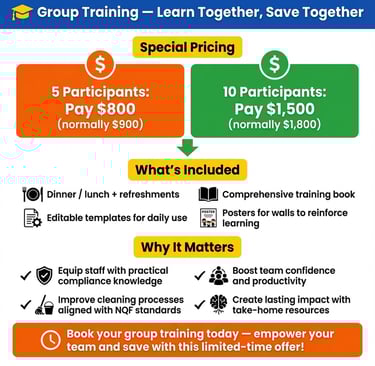
Special Offer
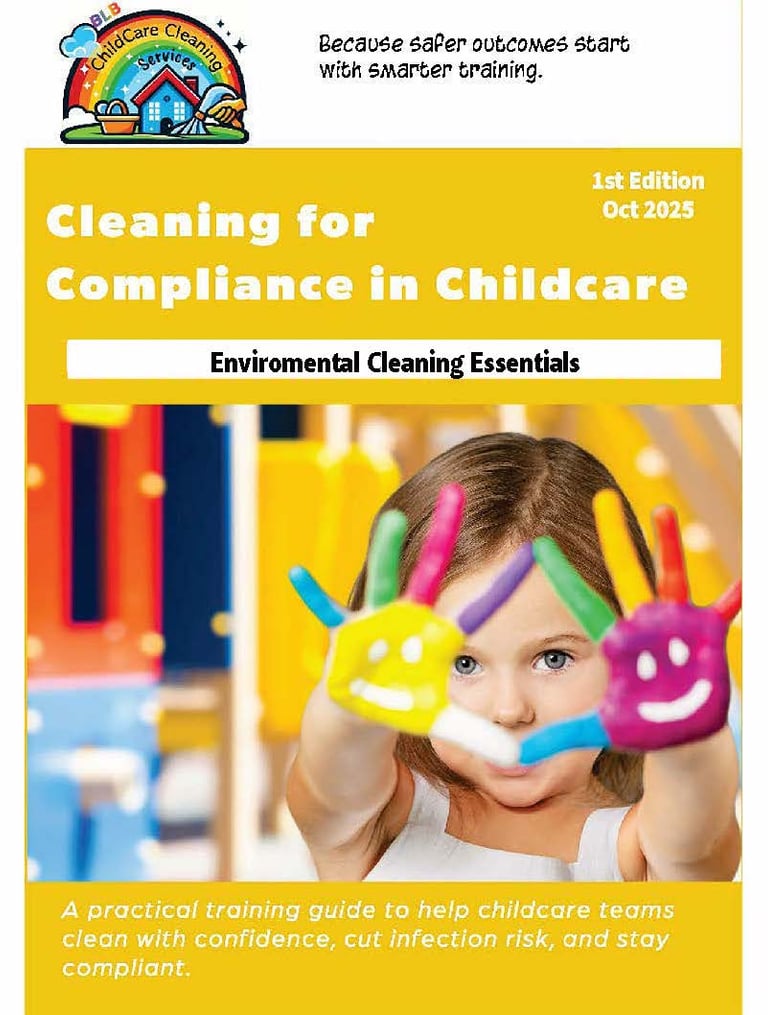
Environmental Cleaning for Compliance in Childcare
Group Training
This 3-hour onsite training session is designed to empower early learning directors, educators, and room leaders with the knowledge and practical skills to create a cleaner, safer, and more compliant environment for children.
Aligned with the National Quality Framework (NQF) and focusing on Quality Area 2 (Children’s Health and Safety), this comprehensive course addresses real-world classroom challenges and provides actionable strategies to reduce illness and promote well-being. You'll gain a clear understanding of cleaning protocols, learn how to implement effective environmental cleaning practices, and confidently meet compliance standards.
What you'll gain:
* Clarified Cleaning Expectations: Understand specific cleaning requirements and best practices for various areas within your centre.
* Illness Reduction Strategies: Learn practical techniques to minimize the spread of germs and reduce the incidence of common childhood illnesses.
* NQF Alignment: Ensure your cleaning practices directly support and enhance your centre's compliance with the NQF.
* Empowerment & Confidence: Feel equipped to confidently manage cleaning responsibilities and foster a culture of hygiene within your team.
Included Resources:
* Certificate of Participation
* Comprehensive Workbook
* Editable Cleaning Schedule Templates
* Lunch/Dinner and refreshments included in package Price
This training is ideal for teams seeking to improve their cleaning practices, reduce illness outbreaks, and enhance their overall compliance with national standards.
Invest in the health and safety of your children and educators – enrol today!
Helping Your Team To Work Smarter, Not Harder!
🚀 Ready to Empower Your Team?
Book BLB’s onsite training today and give your staff the tools, confidence, and smart routines they need to manage daily cleaning responsibilities with ease
Yes... You Can Bundle Training With Your Cleaning Package
📘 Adding Training Costs to Your Cleaning Package
Smart centres choose smart options. With BLB, you can bundle your onsite training into your cleaning package and enjoy predictable, budget‑friendly payments.
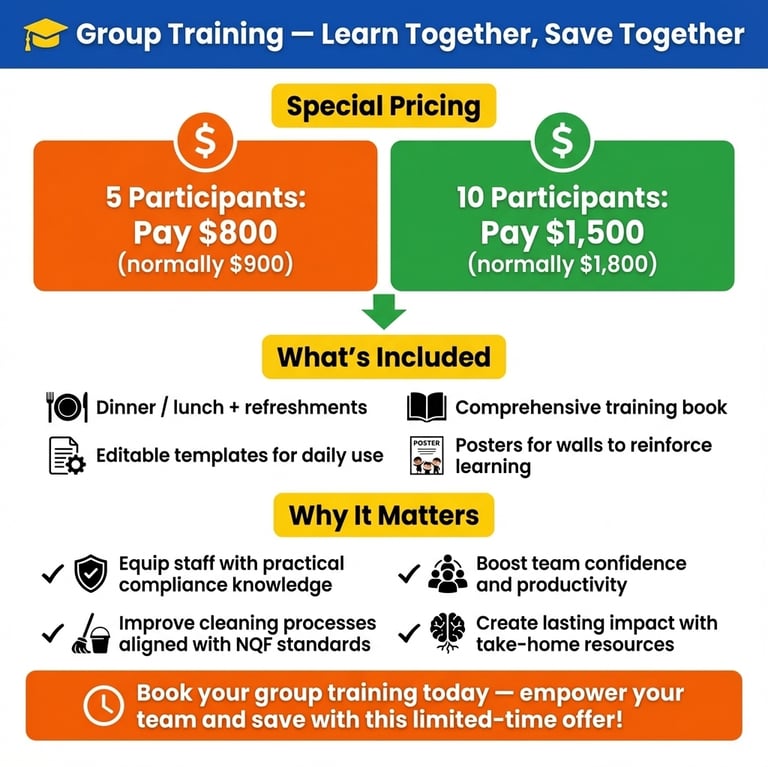
Take advantage of discount pricing
Spread the cost over 52 weeks
$800 ÷ 52 = $15.40 per week
$1,500 ÷ 52 = $28.85 per week
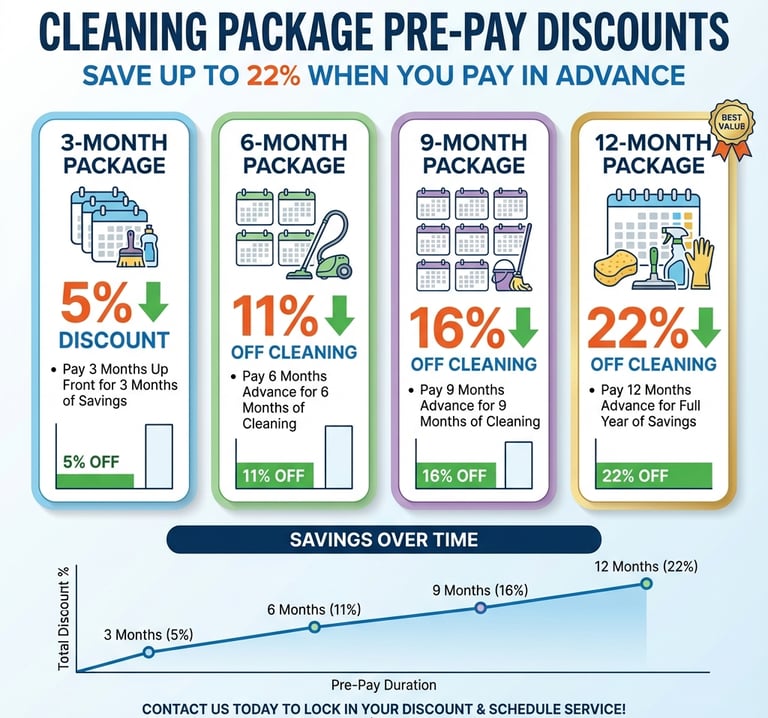
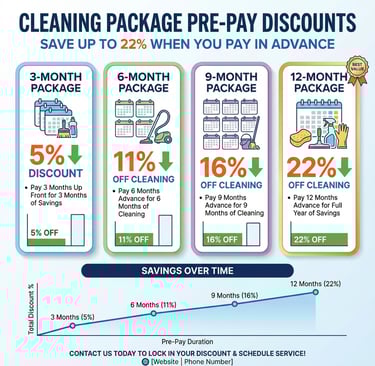
Why not prepay for 3 months and save even more? Centres that prepay enjoy a further 5%- 22% discount on both cleaning and training — reducing costs while locking in compliance and outcomes.
🌟 Benefits
Save money with bundled discounts
Save time with one predictable payment plan
Improve staff knowledge, cleaning processes, and team productivity
BLB promotes, encourages, and rewards efforts that improve outcomes for children and families
📊 Training Cost 🌟 Smart Options for Smart Centres
Take advantage of discounted pricing
Spread costs into predictable weekly payments
Or prepay quarterly and save an extra 5% on both cleaning and training
BLB promotes, encourages, and rewards efforts to improve daily processes and achieve better outcomes.
It's all about Working Smarter NOT Harder
Course Overview-
Educator Cleaning For Compliance In Childcare
Course Objectives: Build smarter routines for better outcomes, tackle real centre challenges, identify improvement areas, and map clear paths forward. Equip childcare professionals with advanced infection control, compliance-based cleaning routines, and documentation skills. Participants will learn to prevent cross-contamination, manage outbreaks, align with NQF/NQS/ACECQA standards, and foster a culture of hygiene and safety within their centres.
Target Audience: All levels of childcare trainees, educators, and directors
Course Duration: 3 hours (including a 30-minute meal break)
Course Outline:
I. Introduction (15 minutes)
* A. Welcome and Introductions (5 minutes)
* Icebreaker activity to encourage participation.
* Briefly introduce the facilitator and their experience.
* B. Course Overview and Objectives (5 minutes)
* Review the course objectives and learning outcomes.
* Explain the importance of cleaning for compliance in childcare.
* C. Importance of Cleaning and Hygiene in Childcare (5 minutes)
* Statistics on infection rates in childcare
* Impact on children's health, development, and family wellbeing
* Legal and ethical responsibilities of childcare professionals
II. Regulatory Framework and Hygiene Standards (30 minutes)
* A. Overview of NQF, NQS, and ACECQA (10 minutes)
* Explain the purpose and key components of each framework.
* Highlight the relationship between NQF, NQS, and ACECQA.
* B. NHMRC's Staying Healthy Guidelines (10 minutes)
* Introduce the Staying Healthy guidelines as the authoritative source for hygiene and infection control.
* Discuss key areas covered by the guidelines (handwashing, food safety, nappy changing, exclusions).
* C. Documentation and Compliance Evidence (10 minutes)
* Discuss the importance of accurate and thorough documentation.
* Provide examples of documentation (cleaning schedules, cleaning logs, incident reports, staff training records).
* Highlight the risks of non-compliance (health risks, legal and financial penalties, reputational damage).
III. Cleaning Procedures and Protocols (45 minutes)
* A. Daily Cleaning Protocols (15 minutes)
* Define high-touch surfaces and provide examples.
* Describe the procedure for cleaning and disinfecting high-touch surfaces.
* Discuss cleaning protocols for food preparation and eating areas, and nappy change areas.
* B. Weekly Cleaning Protocols (10 minutes)
* Discuss cleaning protocols for bedding and cots, and carpets and rugs.
* C. Outbreak Cleaning Protocols (10 minutes)
* Define an outbreak and discuss how to identify one.
* Explain reporting procedures during an outbreak.
* Describe enhanced cleaning measures to implement during an outbreak.
* D. Use of Approved Products and PPE (5 minutes)
* Approved Cleaning Chemicals: pH neutral detergents, hospital-grade disinfectants, bleach-based disinfectants, eco-friendly cleaners, quaternary ammonium compounds (QACs).
* Safety Precautions: Following manufacturer's instructions, proper storage, safety data sheets (SDS), personal protective equipment (PPE).
* E. Group Discussion: Barriers to Adopting Best-Practice Hygiene Routines (5 minutes)
IV. Meal Break (30 minutes)
* Provide a meal and drinks for participants.
V. Managing Infectious Disease Outbreaks (30 minutes)
* A. Defining an Outbreak and Identifying Indicators (10 minutes)
* Explain the definition of an outbreak in a childcare setting.
* Discuss common indicators of a potential outbreak (increased number of cases, unusual symptoms, clustering of cases, absence rates).
* B. Recognizing Common Childhood Illnesses (10 minutes)
* Review common childhood illnesses (gastroenteritis, influenza, hand, foot, and mouth disease, COVID-19).
* Discuss key symptoms and incubation periods for each illness.
* C. Reporting Procedures (10 minutes)
* Explain the reporting chain (center director/manager, families, public health unit, regulatory authority).
* Discuss when to report and what information to include in the report.
* D. Enhanced Cleaning Measures (10 minutes)
* Discuss isolation procedures for affected children and items.
* Explain how to increase cleaning frequency during an outbreak.
* Discuss the importance of selecting appropriate disinfectants.
VI. Cleaning Products and Methods (30 minutes)
* A. Approved Cleaning Chemicals: Selection and Application (10 minutes)
* Discuss pH-neutral detergents, hospital-grade disinfectants, bleach-based products, eco-friendly cleaners, and quaternary ammonium compounds (QACs).
* Explain how to select and apply each type of cleaning chemical.
* B. Safety Precautions: Minimizing Risks (10 minutes)
* Discuss the importance of following manufacturer instructions, using Safety Data Sheets (SDS), and wearing Personal Protective Equipment (PPE).
* Explain proper storage procedures for cleaning chemicals.
* C. Two-Step Cleaning Process: A Foundation for Hygiene (5 minutes)
* Cleaning with Detergent and Water
* Disinfection
* D. Color-Coded Cleaning Kits: Preventing Cross-Contamination (5 minutes)
* Purpose
* Recommended Scheme
* Essential Items
VII. Overcoming Operational Barriers and Collaborative Strategies (20 minutes)
* A. Operational Barriers (10 minutes)
* Time Pressure & Staffing
* Training & Awareness
* Tools, Products & Systems
* Mindset & Culture
* Leadership & Oversight
* B. Time Management and Collaborative Cleaning Strategies (10 minutes)
* Establishing Consistent Routines to Maximise Efficiency
* Reviewing Professional Cleaning Contracts for Compliance Alignment
* Embedding Environmental Cleaning into the Children's Curriculum
VIII. Conclusion (10 minutes)
* A. Review of Key Learning Objectives (5 minutes)
* B. Questions and Answers (5 minutes)
* C. Resources Available: Printable checklists, contact information, links to regulatory resources, ongoing support.
Assessment Methods:
* Quick Knowledge Checks throughout the course.
* Case Study Analysis in Module 3.
* Outbreak Response Simulation in Module 4.
* Hands-On Demonstrations in Module 5.
* Documentation Review in Module 6.
* Course evaluation form at the end of the course.
* Optional: A final knowledge check quiz
Required Materials:
* "Childcare Cleaning Compliance Training Workbook" (provided)
* Pens and paper for note-taking
* Cleaning products and equipment for hands-on demonstrations (detergent, disinfectant, spray bottles, cloths, mops, buckets)
* Copies of relevant regulations and guidelines (NQF, NQS, ACECQA, NHMRC) (provided)
* Safety Data Sheets (SDS) for cleaning products used in the center (if have samples, SDS sample documents provided)
* Cleaning checklists and schedules used in the center
Facilitator Notes:
* This syllabus is a guide and can be adapted to suit the specific needs of the participants and the childcare center.
* Encourage active participation and discussion throughout the course.
Provide practical examples and real-world scenarios to illustrate key concepts. Emphasize the importance of following the manufacturer's instructions for cleaning products and equipment.
* Ensure that participants have access to the necessary resources and support to implement the cleaning practices learned in the course.
Request a coarse information pack.
Please fill out the form below to receive a basic information pack, including the registration form, via email.
Contact
Lindsay Smith
BLB Penrith's trusted childcare cleaning Partner
info@blbcleaningservices.net
Phone
0432 355 396
© 2025. All rights reserved.